See This Report about Framing Streets
Table of ContentsThe Single Strategy To Use For Framing StreetsSome Known Incorrect Statements About Framing Streets The Facts About Framing Streets RevealedLittle Known Facts About Framing Streets.Framing Streets - TruthsThe 6-Second Trick For Framing Streets
Digital photography category "Crufts Canine Program 1968" by Tony Ray-Jones Street digital photography (additionally often called honest digital photography) is photography conducted for art or questions that features unmediated opportunity encounters and random events within public areas, generally with the goal of recording photos at a crucial or touching minute by mindful framing and timing. 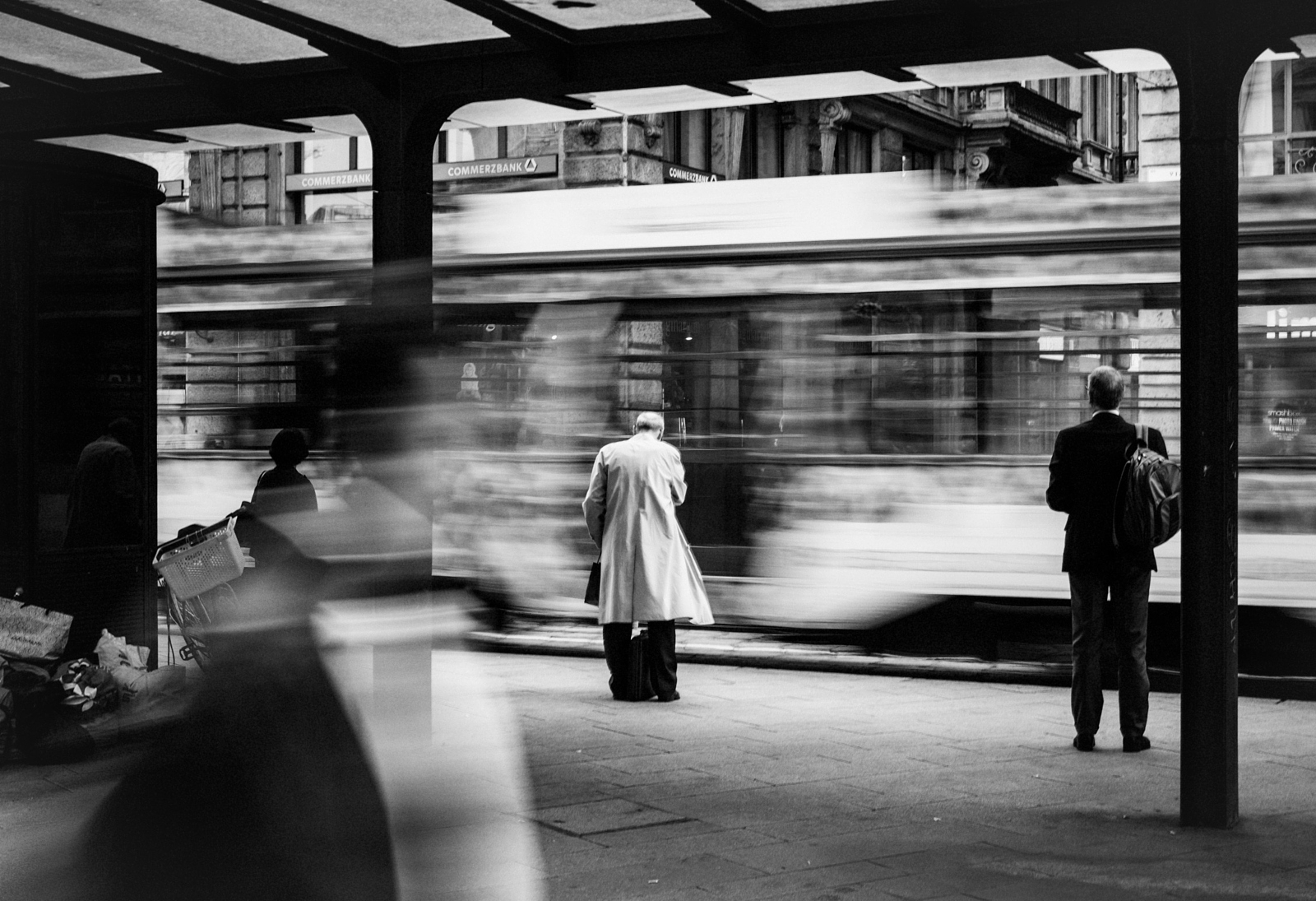
The Ultimate Guide To Framing Streets
Susan Sontag, 1977 Street photography can concentrate on individuals and their actions in public. In this respect, the street photographer resembles social docudrama photographers or photojournalists who also operate in public locations, however with the goal of recording relevant occasions. Any one of these photographers' images might capture people and property noticeable within or from public locations, which often entails navigating ethical issues and legislations of privacy, safety and security, and home.
Depictions of daily public life form a style in almost every period of globe art, starting in the pre-historic, Sumerian, Egyptian and very early Buddhist art durations. Art handling the life of the road, whether within sights of cityscapes, or as the dominant motif, appears in the West in the canon of the Northern Renaissance, Baroque, Rococo, of Romanticism, Realistic look, Impressionism and Post-Impressionism.
The Best Guide To Framing Streets
Louis Daguerre: "Boulevard du Holy place" (1838 or 1839) In 1838 or 1839 the first photo of numbers in the street was videotaped by Louis-Jacques-Mand Daguerre in among a set of daguerreotype views taken from his workshop home window of the Blvd du Holy place in Paris. The second, made at the height of the day, reveals an uninhabited stretch of road, while the various other was taken at about 8:00 am, and as Beaumont Newhall records, "The Blvd, so regularly full of a moving crowd of pedestrians and carriages was flawlessly singular, other than a person that was having his boots cleaned.
, who was inspired to carry out a comparable paperwork of New York City. As the city established, Atget helped to advertise Parisian roads as a deserving subject for digital photography.
Getting My Framing Streets To Work
The chief Mass-Observationists were anthropologist Tom Harrisson in Bolton and poet Charles Madge in London, and their first record was produced as the book "May the Twelfth: Mass-Observation Day-Surveys 1937 by over 2 hundred observers" [] Window cleaner at Kottbusser Tor, Berlin, by Elsa Thiemann c. 1946 The post-war French Humanist Institution photographers found their subjects on the street or in the bistro. In between 1946 and 1957 Le Groupe des XV every year showed job of this kind. Andre Kertesz. Circus, Budapest, 19 May 1920 Road digital photography created the major content of two exhibitions at the Museum of Modern Art (Mo, MA) in New York curated by Edward Steichen, 5 French Digital Photographers: Brassai; Cartier-Bresson, Doisneau, Ronis, Izis in 1951 to 1952, and Post-war European Digital Photography in 1953, which exported the concept of road digital photography worldwide.
Some Known Questions About Framing Streets.
, then a teacher of young kids, associated with Evans in 193839.'s 1958 click this site publication,, was substantial; raw and often out of emphasis, Frank's pictures questioned conventional digital photography of the time, "tested all the official guidelines laid down by Henri Cartier-Bresson and Pedestrian Evans" and "flew in the face of the wholesome pictorialism and genuine photojournalism of American magazines like LIFE and Time".